
 Publish:2026-09-25
 Source:ReedBiotech
 Views:140
Quality evaluation of innovative drugs is fundamental to ensuring regulatory compliance throughout drug development and supporting the safe and compliant commercialization of new therapies. For biopharmaceutical companies, continuously keeping pace with evolving regulatory standards and advancing quality control capabilities are essential to sustainable and responsible growth.
To further strengthen the professional capabilities of its technical team, address gaps in quality control and regulatory compliance for innovative drug development, and gain a deeper understanding of emerging technologies and industry trends, Reed Biotech (Wuhan) Co., Ltd. recently organized members of its core technical team to participate in a specialized training program on the Quality Evaluation of Innovative Drugs, held as part of the NIFDC Lecture Series.
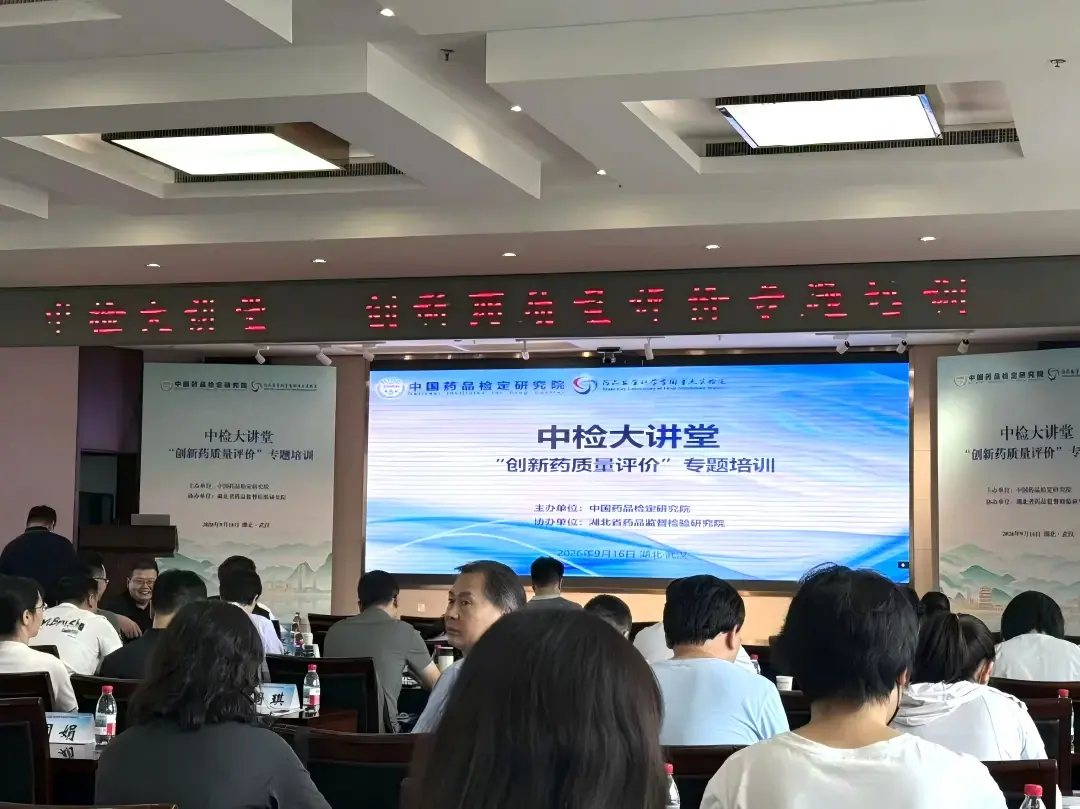
The training was organized by the National Institutes for Food and Drug Control (NIFDC), with support from the Hubei Institute for Drug Control, and was delivered through a combination of an on-site conference and simultaneous online livestreaming. The event brought together regulatory officials, academicians, industry experts, and representatives from leading pharmaceutical companies, making it a valuable professional forum for knowledge sharing and practical discussion in the field of innovative drug quality.
As a flagship professional learning platform established by the NIFDC, the NIFDC Lecture Series focuses on key areas including regulatory science, pharmaceutical quality evaluation, and regulatory compliance throughout drug development. Through practical and technically focused courses, the program provides pharmaceutical professionals with a platform for learning and knowledge exchange, supporting the industry's ongoing efforts toward greater standardization and higher-quality development.
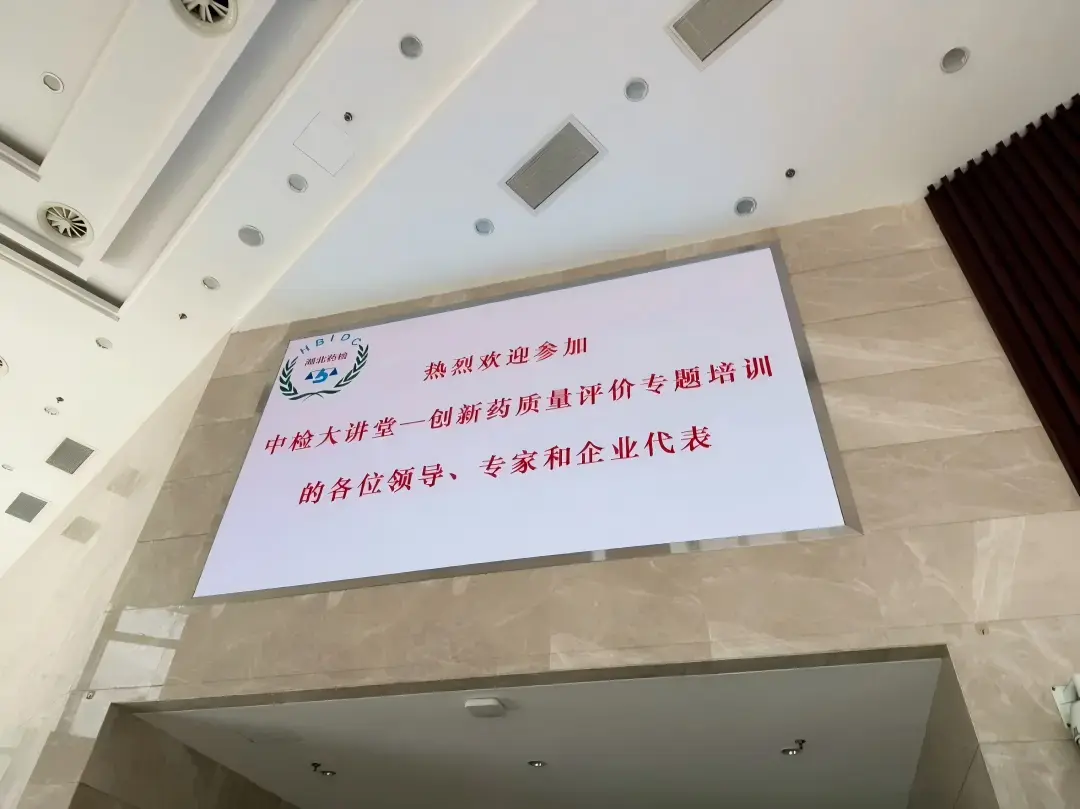
The training covered a broad range of practical topics, integrating regulatory guidance, emerging technologies, and real-world applications. Key sessions addressed general quality evaluation of innovative drugs, quality control of advanced biologics, applications of emerging technologies, and industry-focused technical discussions.
At the opening of the training, representatives from the NIFDC and the Hubei Provincial Medical Products Administration delivered remarks highlighting the importance of quality management in innovative drug development. From the broader perspective of China's biopharmaceutical industry, they emphasized the importance of accelerating the translation of pharmaceutical research into practical applications and serving public health needs. Their remarks also highlighted the industry's ongoing shift toward more standardized drug development processes and increasingly sophisticated technical quality management, setting a rigorous and professional tone for the training.
During the core sessions, leading experts and senior researchers delivered a series of in-depth presentations on the quality evaluation of innovative drugs. The sessions provided a systematic overview of quality evaluation across the drug development lifecycle, covering key compliance considerations and common challenges spanning research and development, regulatory review, and commercialization.
Academician Ding Ma of Tongji Medical College, Huazhong University of Science and Technology, and Professor Donghui Zhang of Hubei University also shared recent research developments in areas including cardiovascular organoid-based drug efficacy evaluation and emerging technologies for innovative drug development, offering new perspectives on more precise approaches to drug development.
For the rapidly advancing field of innovative biologics, NIFDC researchers Chenggang Liang and Weijin Huang provided in-depth presentations on quality control strategies and research progress for gene therapy products, as well as the application of emerging technologies for innovative drug evaluation in biological products. Their presentations examined key quality control challenges, potential risks, and directions for technological advancement in next-generation biologics, providing valuable insights for companies developing advanced therapies and strengthening their quality control systems.
Following the training sessions, an on-site technical discussion was held. Experts from pharmaceutical regulatory and testing institutions in Central China provided practical interpretations of regional regulatory and testing requirements. Representatives from participating companies then exchanged views on topics including innovative drug quality evaluation, regulatory science, and practical challenges encountered during research and development.
The discussions facilitated knowledge sharing and practical exchange among regulatory bodies, testing institutions, and industry participants. The organizers concluded the event with a comprehensive summary, once again emphasizing that quality and regulatory compliance form the foundation of sustainable development in the innovative pharmaceutical industry, while encouraging continued commitment to rigorous quality standards and technological innovation.
Throughout the training, the Reed Biotech team remained fully engaged—listening attentively, taking detailed notes, and actively participating in discussions. By relating the training content to our own R&D and quality control practices, the team benchmarked our existing processes against current industry approaches and emerging technologies, identified areas for improvement, and clarified potential directions for further optimization.
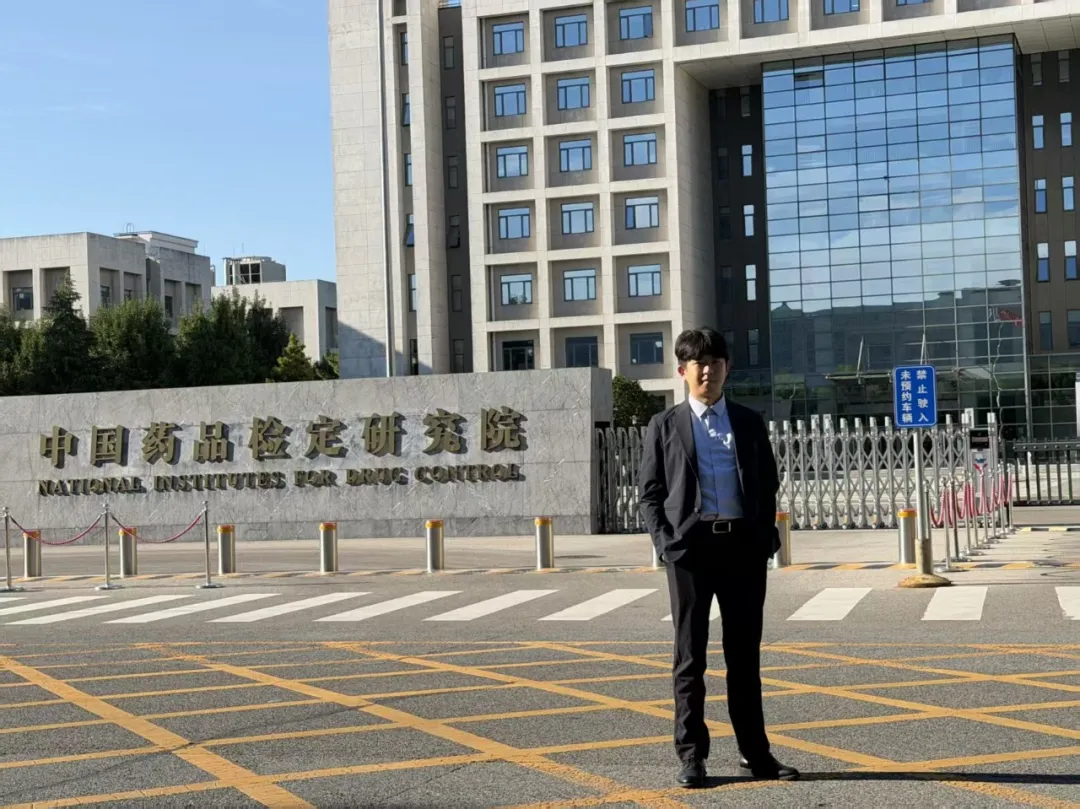
At Reed Biotech, we have always adhered to the principle of “quality first, compliance forward.” We integrate standardized quality management throughout our R&D, testing, and technical service processes, while continuously keeping pace with evolving industry standards and strengthening our professional capabilities.
Our participation in this NIFDC training provided an important opportunity to engage with the latest developments in the field and further strengthen our quality control capabilities. The program helped our team update its knowledge of innovative drug quality evaluation and gain a clearer understanding of quality standards and regulatory requirements associated with emerging drug development technologies.
Looking ahead, Reed Biotech will continue to foster a culture of continuous learning, actively incorporating emerging technologies, industry expertise, and evolving compliance principles into our work. We will translate the knowledge gained through professional training into practical improvements, continuously strengthen our internal quality management systems, and maintain rigorous standards throughout our R&D activities.
With a continued commitment to professionalism, quality, and regulatory compliance, Reed Biotech will deepen its involvement in the innovative drug development field and contribute to the high-quality advancement of the biopharmaceutical industry.